Have you noticed dark spots, stubborn acne marks, uneven skin tone or dull-looking skin that doesn’t improve despite following a regular skincare routine? These concerns are common, and sometimes skincare products alone may not deliver the improvement you’re looking for.
Chemical peel treatment in Santacruz is one professional skincare option that may help improve skin texture, reduce certain types of pigmentation and support a smoother, more even-looking complexion.
However, chemical peels are not suitable for every skin concern. The right treatment depends on your skin type, pigmentation pattern, sensitivity and overall skin health.
At Archana Wellness in Santacruz West, Mumbai, chemical peel treatments are offered for various skin concerns, including pigmentation, acne marks, dark spots and selected body areas.
In this guide, we’ll explain how chemical peels work, their benefits, different types, treatment costs, recovery time, possible side effects and what you should know before booking a session.
What Is Chemical Peel Treatment?
A chemical peel is a professional skin-exfoliation procedure that uses a carefully selected chemical solution to remove damaged outer skin layers and encourage skin renewal.
Our skin naturally sheds dead cells, but this process can become less efficient due to aging, sun exposure and other factors. The accumulation of dead skin cells may contribute to dullness, rough texture and clogged pores.
Chemical peels help exfoliate the skin in a controlled manner. Depending on their type and depth, they may improve superficial pigmentation, acne-related concerns, uneven texture and fine lines.
Unlike ordinary scrubs or exfoliating face washes, professional chemical peels require careful selection of the peeling agent, concentration, application method and treatment duration.
The goal is not simply to make your skin peel visibly. It is to achieve controlled exfoliation while minimizing unnecessary irritation.
How Does a Chemical Peel Work?
Chemical peels work by applying specific exfoliating agents to the skin. These ingredients help loosen or remove damaged skin cells and promote renewal.
The treatment generally involves the following steps:
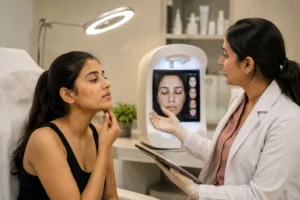
Step 1: Skin Assessment
Before treatment, a qualified professional evaluates your skin type, existing concerns, sensitivity, skincare products and medical history.
This helps determine whether a chemical peel is appropriate.
Step 2: Skin Preparation
The treatment area is cleansed to remove makeup, oil and surface impurities. Depending on the peel, additional preparation may be needed before the appointment.
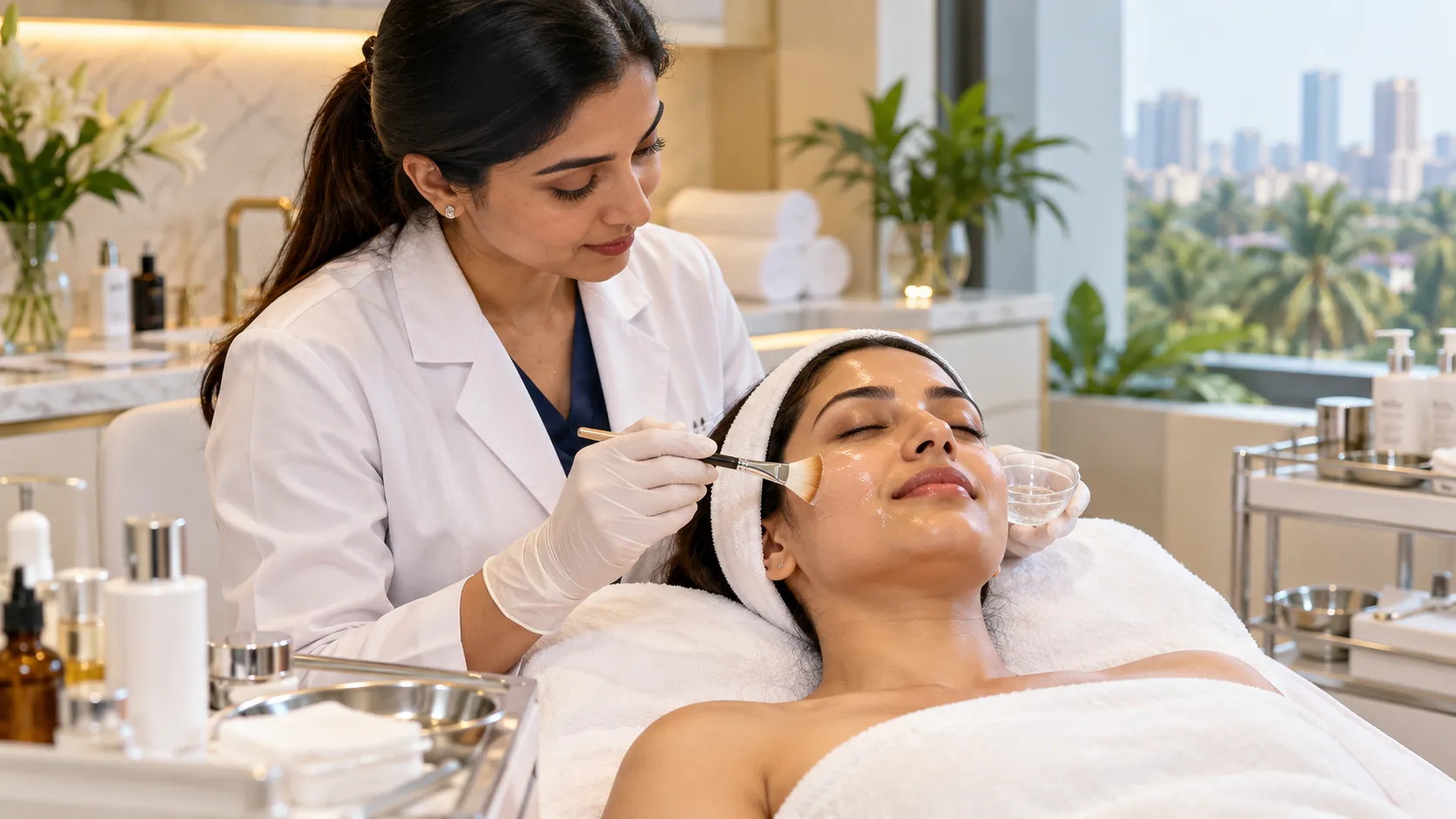
Step 3: Chemical Solution Application
A professionally selected peeling solution is applied to the skin. The application method and duration depend on the peel and treatment objectives.
Step 4: Neutralization or Removal
Some peeling agents require neutralization or removal after a specified period, while others follow a different protocol.
Step 5: Post-Treatment Care
The skin is cared for according to the type of peel performed. The professional may recommend moisturizers, sun protection and temporary changes to your skincare routine.
The procedure and recovery experience vary depending on the depth and strength of the peel.
What Skin Problems Can Chemical Peel Treatment Help With?
Chemical peels may be considered for several common skin concerns. However, results depend on the underlying cause, the type of peel and individual skin response.
1. Chemical Peel for Pigmentation and Dark Spots
Pigmentation is one of the most common reasons people consider chemical peel treatments.
Dark spots can develop because of sun exposure, acne, inflammation, hormonal changes and other factors.
Selected chemical peels may help reduce superficial pigmentation by encouraging controlled exfoliation and skin renewal.
However, not every pigmentation problem responds equally well. Conditions such as melasma require careful assessment because inappropriate or aggressive peeling can sometimes worsen discoloration.
If you’re experiencing persistent dark patches or uneven skin tone, learn more about pigmentation treatment in Santacruz West.
2. Chemical Peel for Acne Marks
Acne can leave behind flat brown or reddish marks even after active breakouts have settled.
These marks are different from depressed or raised acne scars.
Certain chemical peels may improve post-acne discoloration and help manage selected types of acne-prone skin.
However, deeper acne scars often require other treatments, such as microneedling or appropriate scar-focused procedures.
A skin assessment can help determine whether a chemical peel alone is suitable.
3. Chemical Peel for Tanning and Uneven Skin Tone
Frequent sun exposure can contribute to uneven pigmentation and dull-looking skin.
Selected superficial peels may help improve the appearance of sun-related discoloration and rough texture.
However, chemical peels do not prevent future tanning or sun damage. Consistent sunscreen use and appropriate skincare remain essential.
4. Chemical Peel for Oily and Acne-Prone Skin
Oily skin and clogged pores may contribute to blackheads and certain forms of acne.
Salicylic acid peels, for example, are sometimes selected for suitable acne-prone skin because salicylic acid can help exfoliate within oily pores.
Chemical peels are not a substitute for proper acne diagnosis and treatment, particularly in people with severe or inflamed acne.
5. Chemical Peel for Dull Skin and Uneven Texture
Dead skin cells can make the skin appear rough, tired or uneven.
Superficial chemical peels may help improve the appearance of dullness and skin texture through controlled exfoliation.
However, the extent of improvement depends on the cause of the concern and the individual’s skin condition.
6. Chemical Peel for Fine Lines
Some chemical peels can improve the appearance of fine superficial lines and sun-damaged skin.
More pronounced wrinkles and skin laxity generally require a different treatment approach.
Different Types of Chemical Peels
Chemical peels can be categorized according to how deeply they affect the skin.
| Type of Chemical Peel | Common Uses | Recovery Considerations |
|---|---|---|
| Superficial or light peel | Mild pigmentation, dullness, selected acne concerns and uneven texture | Usually shorter recovery with mild redness or flaking |
| Medium-depth peel | Selected pigmentation concerns, photoaging and textural changes | Greater redness, peeling and downtime |
| Deep peel | Specific advanced resurfacing indications | Significant downtime and higher risk; specialist medical supervision required |
The type of chemical peel recommended depends on several factors, including your skin tone, treatment history, pigmentation tendency and expected recovery time.
Glycolic Acid Peel
Glycolic acid belongs to the alpha-hydroxy acid (AHA) family.
It is commonly used in professionally selected treatments for dullness, superficial pigmentation and uneven skin texture.
Salicylic Acid Peel
Salicylic acid is a beta-hydroxy acid (BHA).
It may be suitable for certain people with oily or acne-prone skin, depending on their condition.
Lactic Acid Peel
Lactic acid is another AHA used in some superficial peeling formulations.
It may be considered for selected concerns involving dullness and uneven surface texture.
Mandelic Acid Peel
Mandelic acid is an AHA that may be included in certain peeling treatments for acne-related concerns or uneven tone.
Suitability depends on the formulation, concentration, skin sensitivity and professional assessment.
Important: No single chemical peel is best for everyone. The appropriate agent and treatment depth must be selected according to your skin’s needs.
What Are the Benefits of Chemical Peel Treatment?
When appropriately selected and performed, chemical peel treatments may provide several benefits.
Improved skin texture: Controlled exfoliation may make the skin feel smoother and reduce superficial roughness.
Reduced appearance of certain dark spots: Selected peels may help improve superficial pigmentation and post-acne marks.
Brighter-looking complexion: Removing accumulated dead skin cells can improve the appearance of dull skin.
Support for acne-prone skin: Some peeling agents may help manage clogged pores and certain types of acne.
Improved appearance of fine lines: Certain chemical peels may reduce the visibility of mild, superficial lines.
Personalized treatment options: Different peel types and strengths allow treatment to be adapted to specific skin concerns.
The degree of improvement varies, and multiple sessions or additional skincare treatments may be required.
Is Chemical Peel Treatment Safe for Indian Skin?
Chemical peels can be performed on Indian skin tones, but careful treatment selection is particularly important.
Many Indian skin tones are more susceptible to post-inflammatory hyperpigmentation, which means irritation or injury can sometimes leave darker marks.
Using a peel that is too strong, applying it incorrectly or failing to follow aftercare instructions may increase the risk of complications.
Before treatment, discuss the following with your skincare professional:
- Your history of pigmentation or melasma.
- Previous chemical peel or laser treatments.
- Current acne medications and skincare products.
- Recent sun exposure.
- History of skin allergies or sensitivity.
- Active skin infections, wounds or inflammation.
- Pregnancy, breastfeeding or other relevant medical considerations.
- Previous abnormal scarring or pigment changes.
A qualified dermatologist or appropriately trained medical professional should determine whether chemical peeling is suitable and what precautions are necessary.
The strongest chemical peel is not necessarily the most effective or safest option for your skin.
Chemical Peel Treatment Cost in Santacruz: What Affects the Price?
If you’re researching chemical peel treatment cost in Santacruz, it’s important to understand that pricing varies according to the procedure and individual treatment requirements.
There is no single price that applies to every chemical peel.
Several factors influence the final treatment cost.
Type of Chemical Peel
Different peeling agents, formulations and treatment depths may have different costs.
Treatment Area
A facial chemical peel may have a different price from a treatment targeting the back, underarms or another body area.
Number of Sessions
Some concerns may require a series of treatments rather than one appointment.
Complexity of the Skin Concern
The cause and severity of pigmentation, acne-related marks or uneven texture can influence the treatment plan.
Additional Care Requirements
Skin preparation, supplementary treatments and recommended aftercare products may also affect the overall cost.
For accurate pricing at Archana Wellness, the best approach is to arrange a consultation and discuss your skin concerns.
You can ask for a clear explanation of the proposed procedure, estimated number of sessions, expected downtime and total treatment cost before proceeding.
How Many Chemical Peel Sessions Are Needed?
The number of chemical peel sessions depends on the type of skin concern, the peeling agent, the treatment depth and your skin’s response.
Some people notice visible changes after a single superficial peel, while others may require multiple sessions to achieve their treatment goals.
For certain light peels, a series of approximately three to five sessions may be recommended, but this is not a universal requirement.
More persistent pigmentation and acne-related concerns may need longer-term management or additional treatments.
Your clinician should assess progress before recommending repeat sessions.
Avoid undergoing frequent chemical peels without professional guidance, as excessive exfoliation can irritate the skin and worsen pigmentation.
Chemical Peel Recovery Time: What Should You Expect?
Recovery varies depending on how deeply the peel affects the skin.
| Peel Depth | Approximate Healing Time | What You May Experience |
|---|---|---|
| Light peel | 1–7 days | Mild redness, dryness or flaking |
| Medium peel | 7–14 days | More noticeable redness, swelling and peeling |
| Deep peel | 14–21 days or longer | Significant peeling, wound care and prolonged recovery |
These are general estimates. The visible recovery period and complete healing time are not always the same.
Not every chemical peel causes obvious shedding of skin. Some superficial treatments produce only mild dryness or flaking.
More aggressive peeling does not automatically mean better results.
Follow your treating professional’s instructions and contact them if you experience unusual pain, significant swelling, blistering or other concerning symptoms.
Chemical Peel Before and Aftercare: Important Precautions
Appropriate preparation and aftercare are essential to support healing and reduce the risk of complications.
Before Chemical Peel Treatment
Get your skin assessed. An evaluation can help identify the cause of your concern and determine whether chemical peeling is suitable.
Discuss your existing skincare products. Certain exfoliating acids, retinoids and other products may need to be adjusted before treatment.
Avoid unnecessary irritation. Do not use aggressive scrubs, home peeling solutions or harsh skin treatments before your appointment.
Inform your clinician about recent treatments. Recent laser sessions, waxing, acne medication or other procedures may affect peel suitability.
Plan around recovery. If you have a wedding, photoshoot or important event, discuss the timing beforehand.
After Chemical Peel Treatment
1. Use a gentle cleanser.
Avoid harsh face washes and scrubbing while your skin recovers.
2. Moisturize as advised.
Use the products recommended by your treating professional to support the skin barrier.
3. Protect your skin from sunlight.
Follow the recommended sun-protection instructions. Once your skin has healed sufficiently, daily broad-spectrum sunscreen is important for maintaining results and reducing further pigmentation.
4. Do not peel or scratch flaking skin.
Allow the skin to shed naturally. Picking can increase the risk of irritation, infection and scarring.
5. Avoid unsupervised active ingredients.
Do not restart exfoliating acids, retinoids or other potentially irritating products until your clinician advises that it is appropriate.
6. Follow up when recommended.
A follow-up assessment can help determine whether healing is progressing normally and whether further treatment is required.
What Are the Possible Side Effects of Chemical Peels?
Chemical peels are established dermatological procedures, but they carry risks.
Possible side effects include:
- Redness and temporary irritation.
- Dryness, flaking or peeling.
- Temporary swelling.
- Increased skin sensitivity.
- Post-inflammatory hyperpigmentation.
- Unwanted lightening of the treated skin.
- Infection or scarring in uncommon cases.
Deeper chemical peels generally involve greater risks and longer recovery.
People with darker skin tones may have a greater risk of pigmentation changes, particularly after more intensive procedures.
A qualified medical professional should explain the potential benefits, limitations and risks before treatment.
Chemical Peel vs Regular Facial: What’s the Difference?
Many people wonder whether a chemical peel is simply a stronger version of a regular facial.
Although both may be used to improve the appearance of skin, they are different procedures.
| Chemical Peel | Regular Facial |
|---|---|
| Uses professionally selected exfoliating chemical agents | Often involves cleansing, moisturizing, massage and other skincare steps |
| Can target selected pigmentation, acne and texture concerns | Primarily focuses on routine skincare and temporary cosmetic improvement |
| May cause redness, peeling and downtime | Usually has little or no downtime |
| Requires careful assessment and professional technique | Varies according to the facial treatment |
| May form part of a targeted skin-treatment plan | Commonly used for maintenance and relaxation |
For people dealing with persistent pigmentation, acne marks or uneven texture, a proper skin assessment is more useful than choosing a procedure based solely on popularity.
You may also find our comparison of chemical peel vs Hydrafacial in Santacruz West helpful.
Chemical Peels for Other Body Areas
Chemical peels are not limited to facial treatments.
At Archana Wellness, chemical peel services also include options for selected body areas.
Underarm Chemical Peels
Underarm peels may be considered for certain forms of superficial discoloration.
However, dark underarms can have multiple causes, including friction, irritation and underlying medical conditions. The cause should be assessed before cosmetic treatment.
Back Chemical Peels
Back peels may be considered for selected acne-related marks, uneven tone or textural concerns.
Body Chemical Peels
Body peels may address particular areas of roughness or pigmentation when professional assessment identifies a suitable indication.
Under-Eye and Bikini Area Peels
These are sensitive treatment areas requiring careful evaluation and specialized technique.
They should never be treated with unapproved home-peeling solutions or inappropriate facial-peel products.
The suitability of any body-area peel depends on the cause of the concern and the safety of the proposed treatment.
Why Consider Archana Wellness for Chemical Peel Treatment in Santacruz West?
Finding the right skincare treatment starts with understanding your skin rather than selecting a procedure based only on online trends.
Archana Wellness offers chemical peel services in Santacruz West, Mumbai, including options for pigmentation, acne-related concerns, dark spots and selected body areas.
The clinic describes its approach as personalized, with skin concerns assessed before recommending a suitable chemical peel option.
If you are considering a chemical peel, your consultation is an opportunity to understand:
- Whether a chemical peel is appropriate for your skin.
- Which skin concerns the proposed procedure may improve.
- What results are realistic.
- How many sessions may be needed.
- What side effects or downtime to expect.
- What aftercare will be necessary.
- What the proposed treatment will cost.
A personalized consultation can help you make a more informed decision about your skincare.
FAQs
1. Is chemical peel treatment good for pigmentation?
Chemical peels may help improve certain types of superficial pigmentation and post-acne discoloration. However, conditions such as melasma require careful evaluation because inappropriate treatment can worsen pigmentation.
2. Does chemical peel treatment remove acne scars permanently?
Chemical peels may improve acne marks and some superficial textural changes, but they generally cannot completely remove deep or depressed acne scars. Other treatment methods may be more appropriate.
3. Is chemical peel treatment painful?
Some people experience mild tingling, warmth or stinging during a peel. The sensation varies depending on the peeling agent, concentration and treatment depth. Significant pain should be reported immediately.
4. How much does chemical peel treatment cost in Santacruz West?
The cost varies according to the type of peel, treatment area, number of sessions and individual treatment plan. Contact Archana Wellness for clinic-specific pricing following a skin assessment.
5. How long does chemical peel treatment take to heal?
Light peels often heal within approximately one to seven days, while medium and deep peels may require longer. Actual recovery depends on the treatment and your skin’s response.
6. Can I go to work after a chemical peel?
Many people can resume normal activities relatively quickly after a light peel. Medium or deep peels may require significant downtime. Discuss your schedule with your treating professional before the procedure.
7. Is chemical peel safe for sensitive skin?
Sensitive skin requires careful assessment. Some people may be suitable candidates for selected superficial peels, while others should avoid chemical peeling until an existing skin condition is controlled.
8. Will one chemical peel session give permanent results?
Chemical peel results are not necessarily permanent. Natural aging, sun exposure, acne and other factors can affect skin appearance over time. Maintenance skincare and appropriate follow-up may be required.
9. Can chemical peels make pigmentation worse?
Yes. Excessive irritation or an inappropriate peel can cause post-inflammatory hyperpigmentation, especially in pigmentation-prone skin. Professional treatment selection and proper aftercare help reduce this risk.
10. Where can I get chemical peel treatment in Santacruz West?
Archana Wellness offers chemical peel services at its clinic on Dattatray Road, Hasmukh Nagar, Santacruz West, Mumbai. You can contact the clinic to discuss your skin concerns and arrange an appointment.
Looking for Chemical Peel Treatment in Santacruz?
Pigmentation, acne marks and uneven skin texture can have different underlying causes. Choosing the right treatment begins with understanding what your skin actually needs.
At Archanawellness, you can explore professional chemical peel options for various skin concerns and discuss whether the treatment is suitable for you.
Book Your Skin Consultation Today
Archana Wellness – Santacruz West, Mumbai
📍 Ground Floor, Homestead Building, Dattatray Road, Hasmukh Nagar, Santacruz West, Mumbai – 400054
📞 +91 93213 06966 | +91 81048 91397 | +91 93240 35744
Take the first step towards healthier-looking skin with a treatment plan suited to your individual needs.